Why Your Business Needs a Modern Website in 2025
The internet moves fast. Really fast. What looked “modern” just a few years ago now feels outdated, clunky, and honestly… a little embarrassing. If your business is still running on a website built before TikTok existed, before mobile-first was standard, or before AI changed user expectations — it’s time for an upgrade.
In 2025, your website isn’t just a digital brochure. It’s your storefront, your sales rep, your customer service assistant, and your brand’s personality — all working 24/7. And if it’s not doing all of that well, you’re losing traffic, trust, and customers.
So let’s break down why having a modern website in 2025 is no longer optional — and what actually goes into making one.
1. First Impressions Happen in 0.05 Seconds
Users form an opinion about your website in about 50 milliseconds.
That’s faster than a blink.
A modern website instantly communicates:
- Trust
- Professionalism
- Credibility
- Relevance
A dated website does the opposite.
People might not say it out loud, but they absolutely think:
“If the website looks old, the business is probably old-school too.”
And in a world where customers expect slick design and smooth experiences, your website’s appearance matters more than ever.
2. Mobile Traffic Dominates — And Bad Mobile = Lost Customers
More than 60% of web traffic in 2025 is mobile. If your site doesn’t look and feel perfect on a phone, you’re losing customers before they even scroll.
A modern site must be:
- Fully responsive (not just “shrinking the desktop version”)
- Designed mobile-first
- Fast to load on slow connections
- Touch-friendly
- Layout-adaptive
If people have to zoom in, pan around, or struggle with tiny buttons, they’re gone.
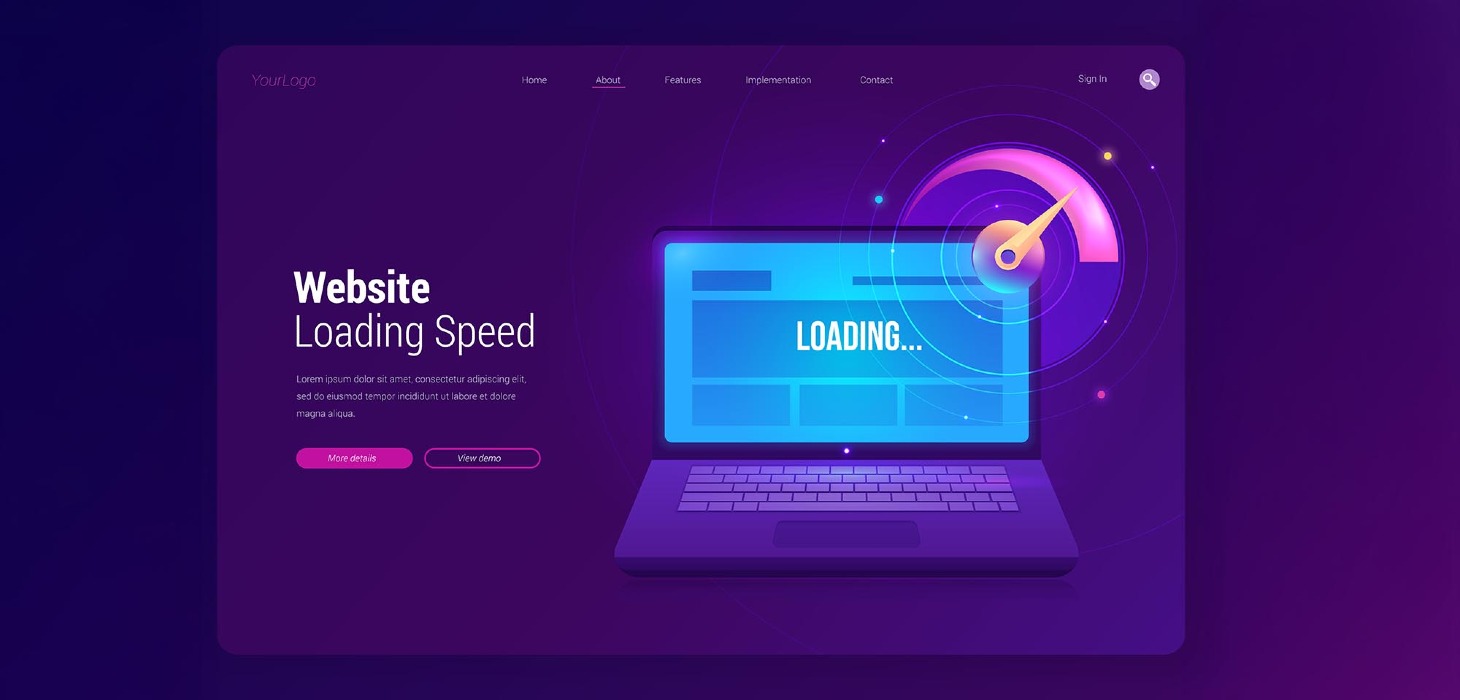
3. Speed Isn’t Optional — It’s a Deal Breaker
Google says that if a page takes more than 3 seconds to load, over 50% of users leave.
In 2025, speed is even more critical because:
- Users expect instant loading
- SEO rankings depend heavily on performance
- Competing sites are faster than ever
A modern website uses:
- Lightweight code
- Optimized images
- Caching
- CDN distribution
- Minified scripts
- Server-level optimization
If your site feels slow, users assume your business is slow too.
4. Design Trends Have Evolved… A LOT
Design from 2015 vs design from 2025 looks like two different planets.
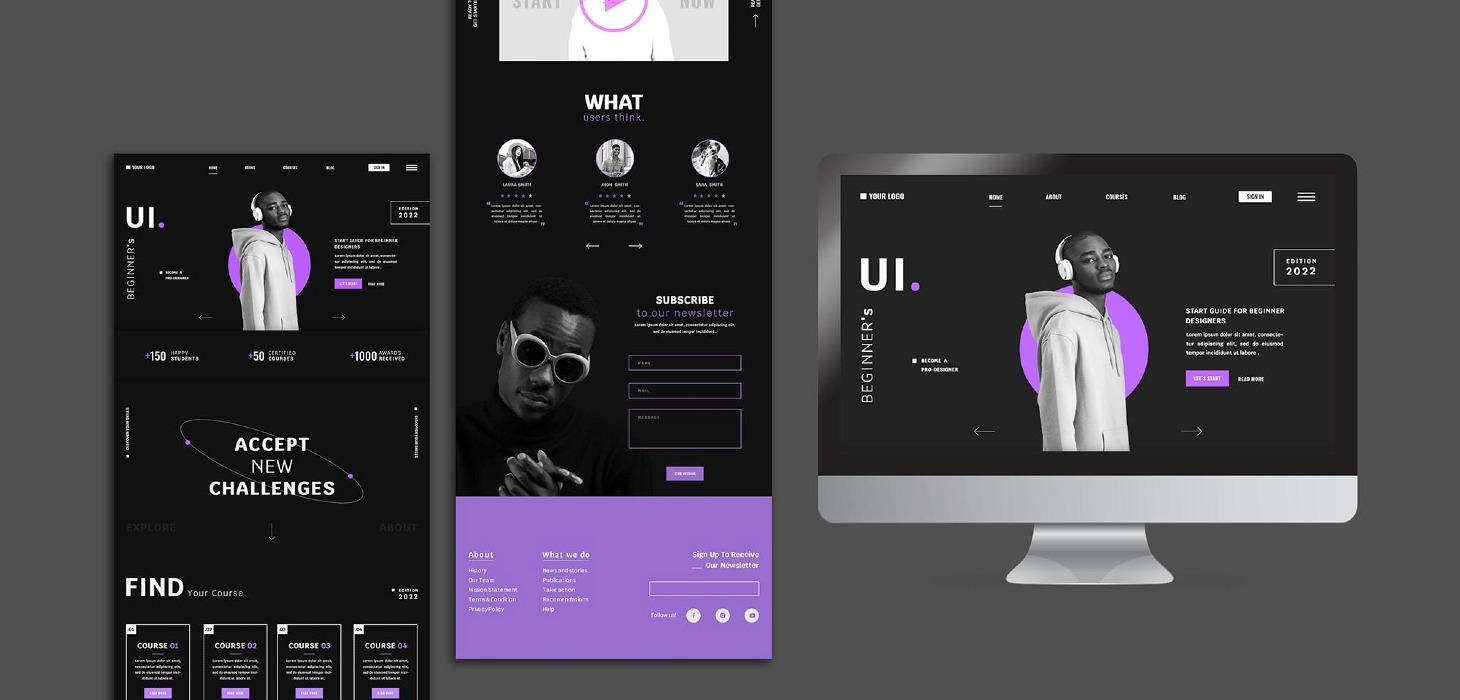
Modern websites use:
- Clean minimalistic layouts
- Bold typography
- High-quality visuals
- Micro-interactions
- Subtle animations
- Bright gradients or neutrals
- Soft shadows and depth
- AI-driven personalisation
Old sites often have:
- Outdated fonts
- Cluttered layouts
- Random colours
- Low-res images
- Heavy sliders from 2013
- Buttons that look like clipart
Your website is part of your brand — if it looks old, your brand looks old.
5. Your Customers Expect Better User Experience (UX)
In 2025, a website isn’t just about looking nice — it must work nicely.
UX is all about:
- Simple navigation
- Clear calls to action
- A layout that “feels obvious”
- Easy-to-find information
- Contact options without hunting
- A logical flow
If a user has to think too much, you lose them.
And here’s the truth:
Most businesses don’t lose customers to competitors… they lose them to confusion and frustration.
6. SEO Depends on Modern Structure
Google’s ranking algorithms in 2025 reward websites that are:
- Fast
- Mobile-friendly
- Secure
- Technically optimized
- Updated regularly
- Well-structured
Older websites often suffer from:
- Outdated code
- Broken links
- Poor metadata
- Slow performance
- Non-responsive design
- Bloated plugins
A modern rebuild can dramatically boost your search visibility.
7. AI Integration Is Becoming Standard
2025 is the year where AI features aren’t “cool extras”—they’re expected.
Modern sites use AI for:
- Smart search
- Chat support
- Personalized recommendations
- Dynamic content
- Automated marketing triggers
This gives users a smoother, more efficient experience… and gives your business a major edge.
8. Security Needs Have Changed
Older websites are much more vulnerable to:
- Malware
- Bots
- SQL injections
- Brute-force attacks
- Data leaks
A modern site includes:
- SSL certificates
- Updated back-end frameworks
- Anti-bot protection
- Regular patches
- Secure hosting
- Strong authentication
One breach can destroy trust.
A modern build protects both you and your customers.
9. Your Business Has Grown — Your Website Should Too
Your website should evolve as your business does.
Modern websites are built for:
- Scalability
- Adding new pages easily
- Integrating new features
- Connecting with CRM and automation tools
- Updating content without breaking anything
If your site feels like a puzzle you’re scared to touch, it’s time for something better.
10. Your Competitors Already Upgraded
Let’s be honest: your competitors are improving while you’re reading this.
And customers always choose:
- The faster site
- The clearer site
- The more modern brand
- The easier experience
A modern site isn’t just about keeping up — it’s about standing out.
What Makes a Website Truly “Modern” in 2025?
Here’s a quick checklist:
Visuals
✔ Clean minimalistic design
✔ Large, bold typography
✔ High-quality images and graphics
✔ Smooth micro-animations
Performance
✔ Loads under 2 seconds
✔ Optimized for Core Web Vitals
✔ Lightweight scripts
User Experience
✔ Simple navigation
✔ Clear messaging
✔ Fast access to key information
✔ Mobile-first layout
Technology
✔ Secure hosting
✔ Updated framework
✔ AI-powered features
✔ Scalable architecture
Branding
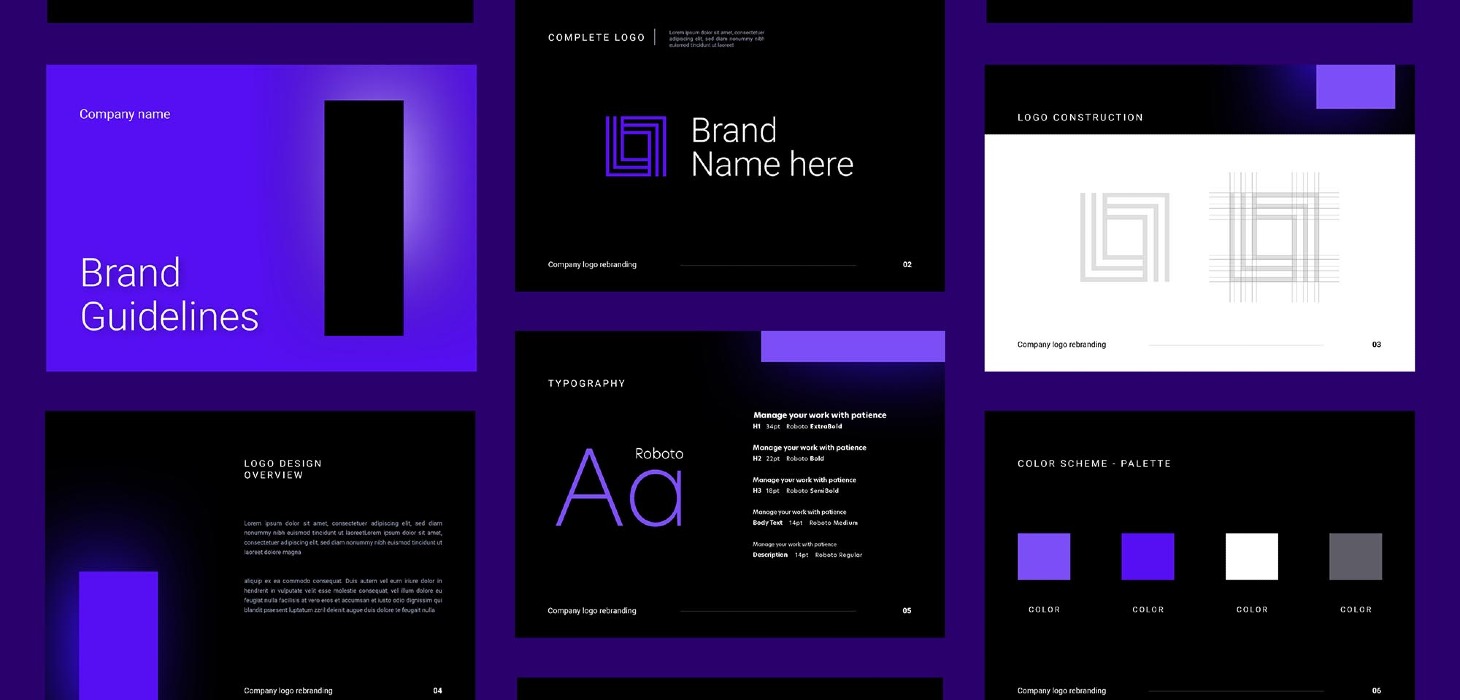
✔ Consistent colours and styles
✔ Modern, premium feel
✔ Professional visual identity
If your current website misses more than 4–5 of these, a redesign is absolutely worth it.
Final Thoughts: Your Website Is the Front Door to Your Business
A modern website isn’t a luxury — it’s the foundation of a trustworthy brand in 2025.
It helps you:
- convert more visitors
- rank higher on Google
- look credible
- build trust
- stay competitive
- improve customer experience
If your website feels outdated, even a little… your customers already noticed.
And the good news?
Upgrading now puts you ahead of 90% of businesses that are still catching up.